
Key Takeaways
- Regular, low-impact exercise helps maintain the strength and flexibility that protect the shoulders and elbows over time.
- A joint-friendly diet supports cartilage and bone health as the body ages.
- Preventive care and early diagnosis can catch developing issues before they become more serious.
- Small daily habits, like proper posture and safe lifting technique, add up to meaningful long-term joint protection.
- Dr. Srinath Kamineni supports patients throughout Mount Carmel and Olney, IL in maintaining long-term shoulder and elbow health. Request an appointment for a personalized evaluation.
Aging Doesn't Have to Mean Joint Pain
It's a common assumption that shoulder and elbow pain is simply an inevitable part of getting older. While the joints do change with age, proactive care can significantly reduce the risk of pain, stiffness, and injury.
Stay Active With Low-Impact Exercise
Regular movement keeps the muscles surrounding the shoulders and elbows strong, which helps support and protect the joints themselves. Beneficial activities include:
- Swimming and water aerobics, which are gentle on the joints
- Walking and other light cardio to support overall circulation and joint health
- Resistance band exercises to maintain rotator cuff and forearm strength
- Stretching routines to preserve range of motion
Prioritize Diet for Joint Health
Nutrition plays a supporting role in joint health. Consider:
- Anti-inflammatory foods, such as fatty fish, leafy greens, and berries
- Adequate calcium and vitamin D for bone strength
- Staying well-hydrated, which supports the tissues surrounding the joints
- Maintaining a healthy weight to reduce overall joint stress
Preventive Care and Early Diagnosis
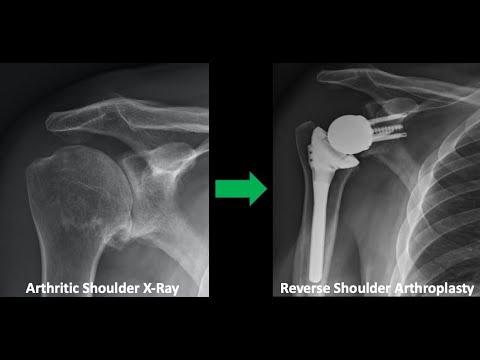
Routine check-ins with an orthopaedic specialist, especially if you notice early symptoms like stiffness or mild discomfort, can help catch developing conditions — such as early shoulder arthritis or a small rotator cuff tear — before they progress. Early treatment often means more non-surgical options are available.
Practice Joint-Friendly Daily Habits
- Maintain good posture, particularly during long periods of sitting or computer use
- Use proper lifting technique, keeping loads close to the body
- Avoid repetitive overhead reaching when possible, or take breaks to rest the shoulder
- Warm up before physical activity, even routine yard work or household chores
Healthy Aging Habits at a Glance
| Category | Examples |
|---|---|
| Exercise | Swimming, walking, resistance bands, stretching |
| Diet | Anti-inflammatory foods, calcium, vitamin D, hydration |
| Preventive care | Routine evaluations, early symptom check-ins |
| Daily habits | Good posture, proper lifting, activity breaks |
Schedule a Preventive Evaluation
Taking a proactive approach to shoulder and elbow health can help you stay active and comfortable for years to come. Dr. Srinath Kamineni offers thorough, personalized evaluations for patients in Mount Carmel and Olney, IL who want to protect their joint health — as well as expert treatment if an issue is found.
Request an appointment to discuss your shoulder and elbow health.
Frequently Asked Questions
At what age do shoulder and elbow problems become more common?
Wear-related conditions like arthritis and rotator cuff changes become more common starting in a person's 40s and 50s, though healthy habits can help delay or reduce their impact.
Can exercise actually prevent shoulder and elbow arthritis?
While exercise can't guarantee arthritis prevention, maintaining strength and flexibility around the joints can reduce strain and may help delay the onset or severity of symptoms.
What are early warning signs of joint problems I shouldn't ignore?
Persistent stiffness, a gradual loss of range of motion, or recurring mild discomfort with activity are worth mentioning to an orthopaedic specialist, even if they aren't yet significantly limiting your daily life.
Is it too late to improve my shoulder or elbow health if I already have some pain?
No. Even with existing discomfort, many patients benefit from a combination of targeted exercise, activity modification, and appropriate medical treatment to improve comfort and function.
